Menu

Architecture & Interior Design

BODRUM TURGUTREIS

About

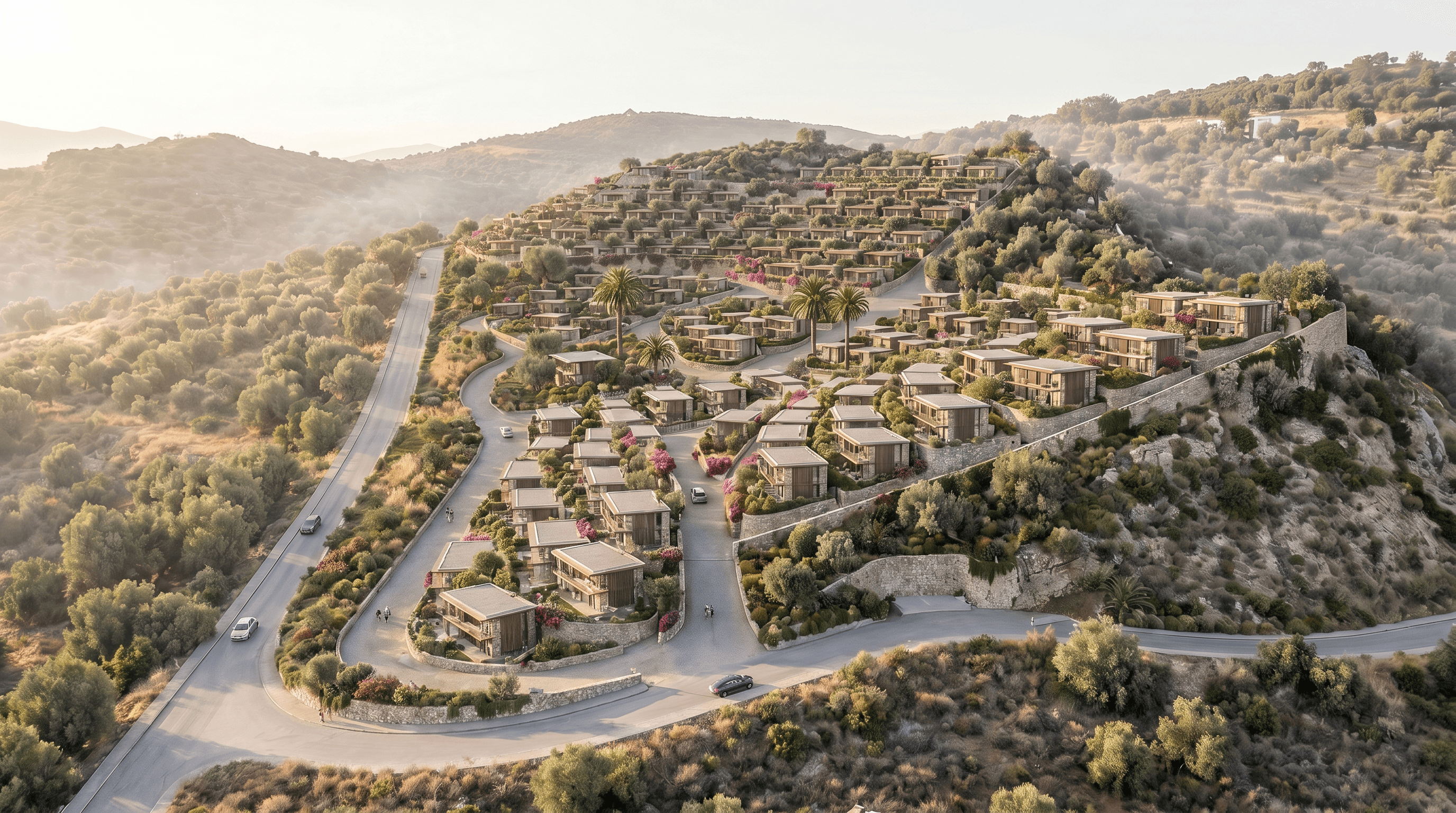
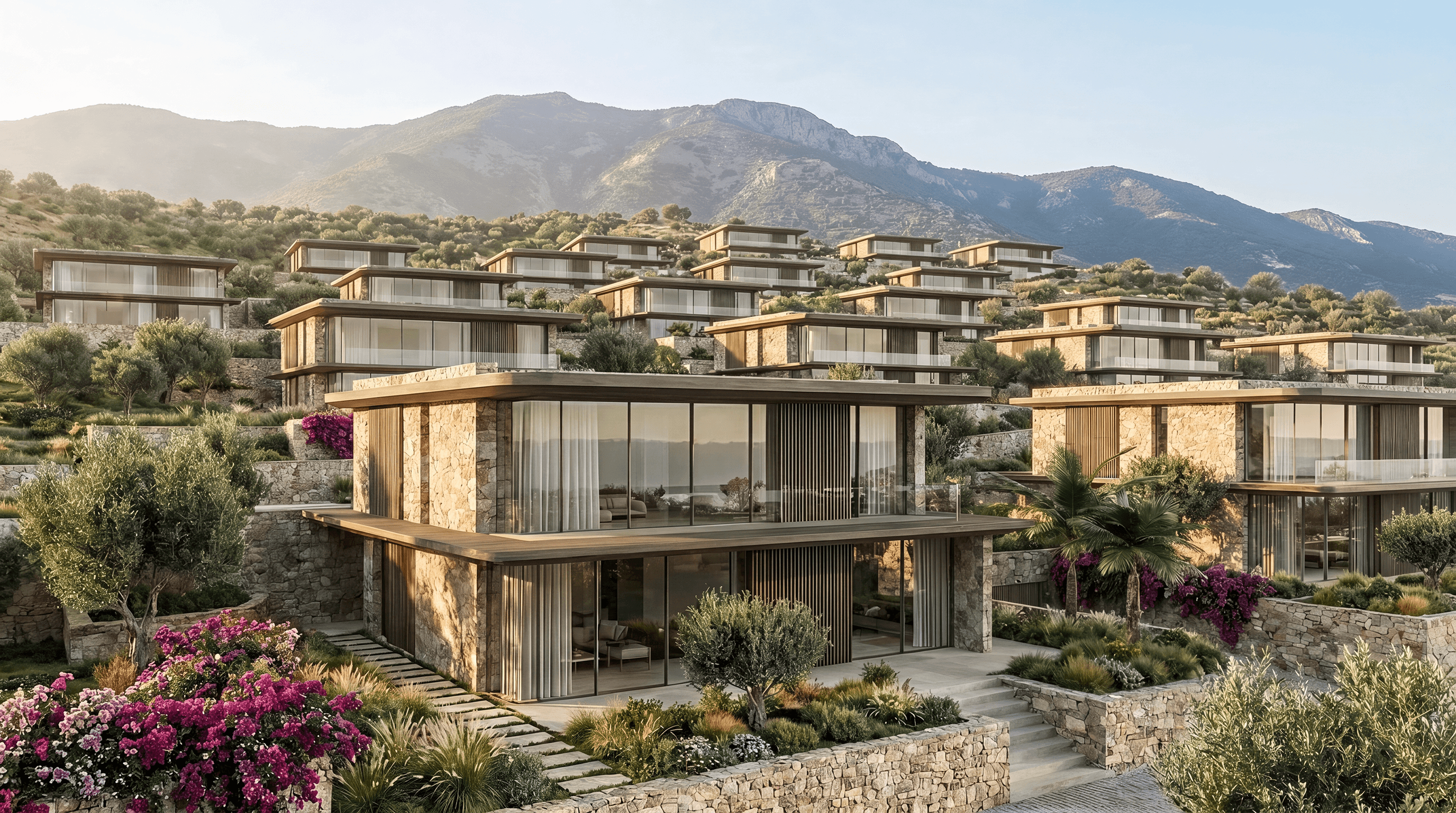
Turgutreis Hillside Villas is a concept masterplan shaped by the natural texture of Bodrum’s hillside landscape. The project responds to the site through terraced levels, stone retaining walls, Mediterranean planting, and villas positioned to settle into the terrain rather than stand apart from it.

The masterplan began as a wider residential vision, arranged around the slope, the mountain backdrop, and the gradual opening of views toward the coast. The architecture takes its cues from its surroundings: rough stone, sun-washed tones, olive trees, planted terraces, and the everyday rhythm of outdoor living.

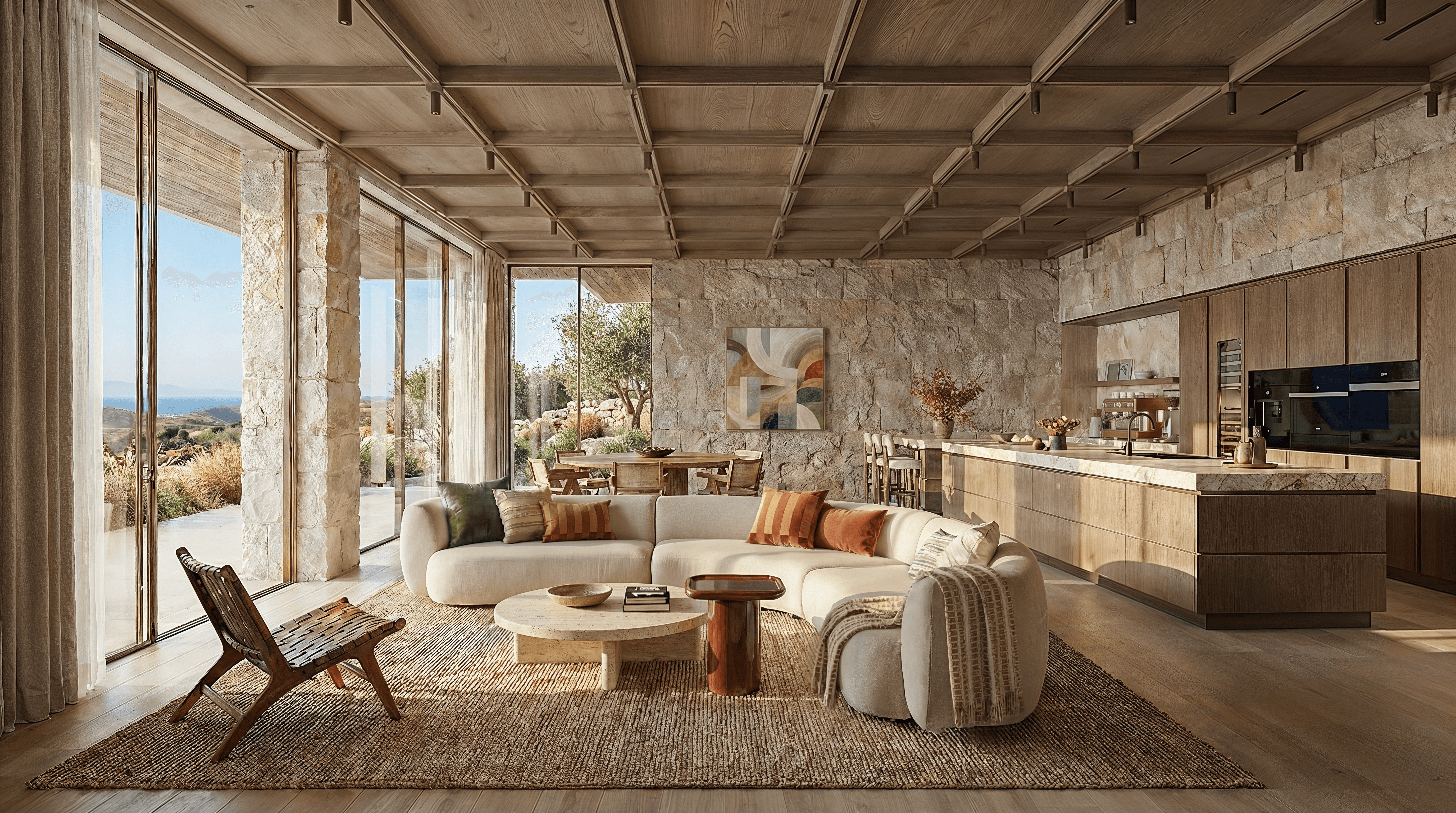
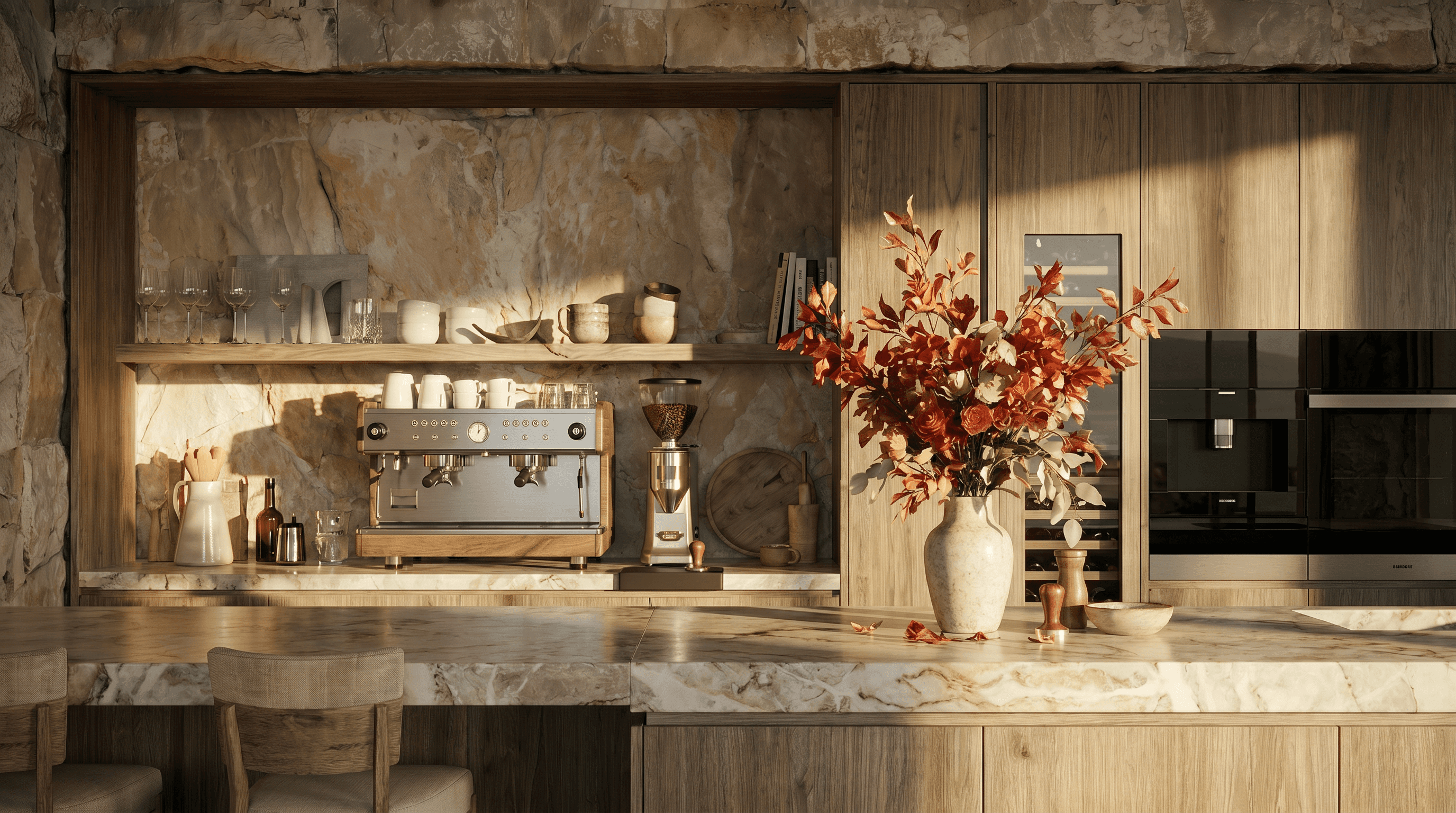
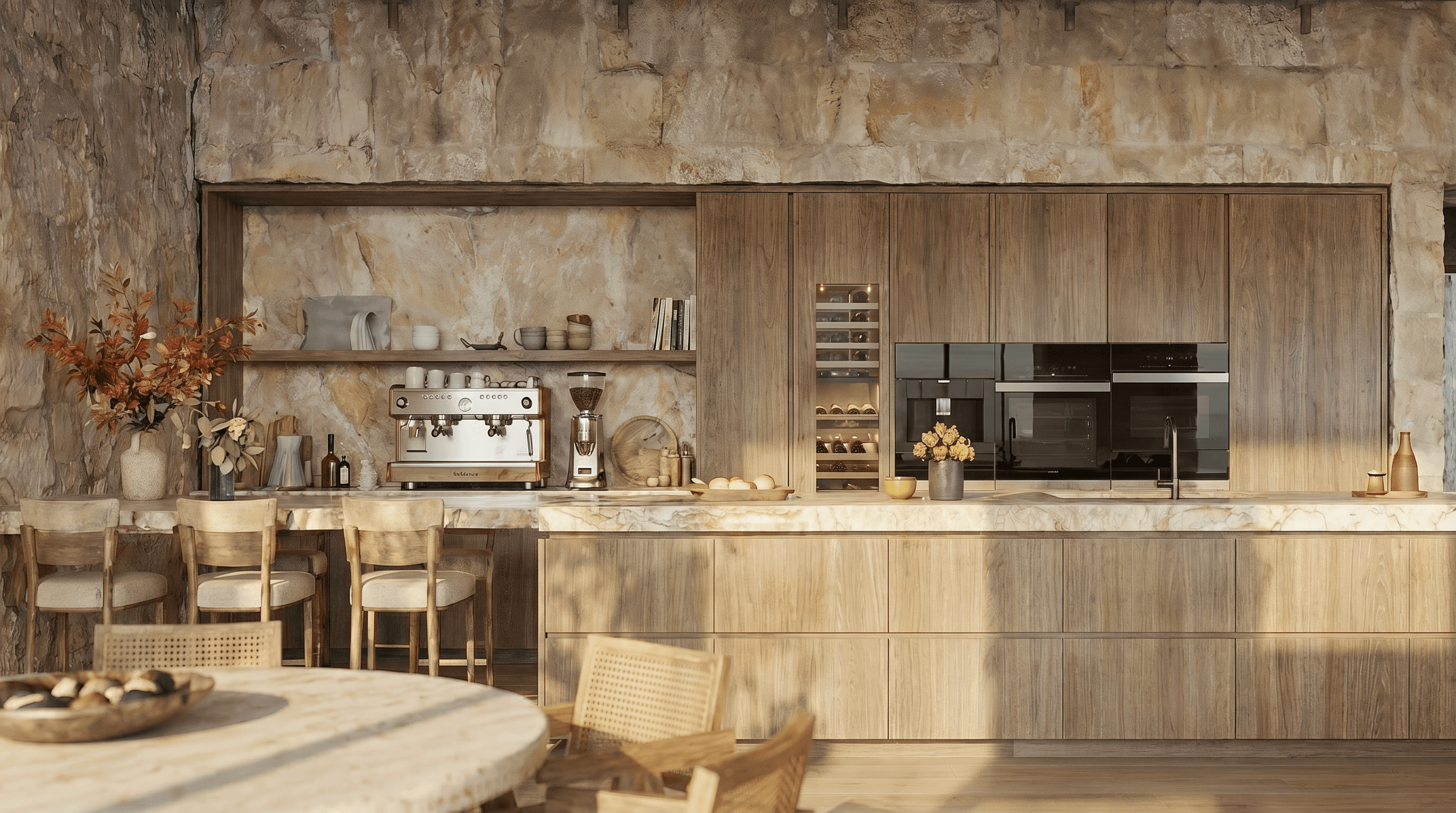
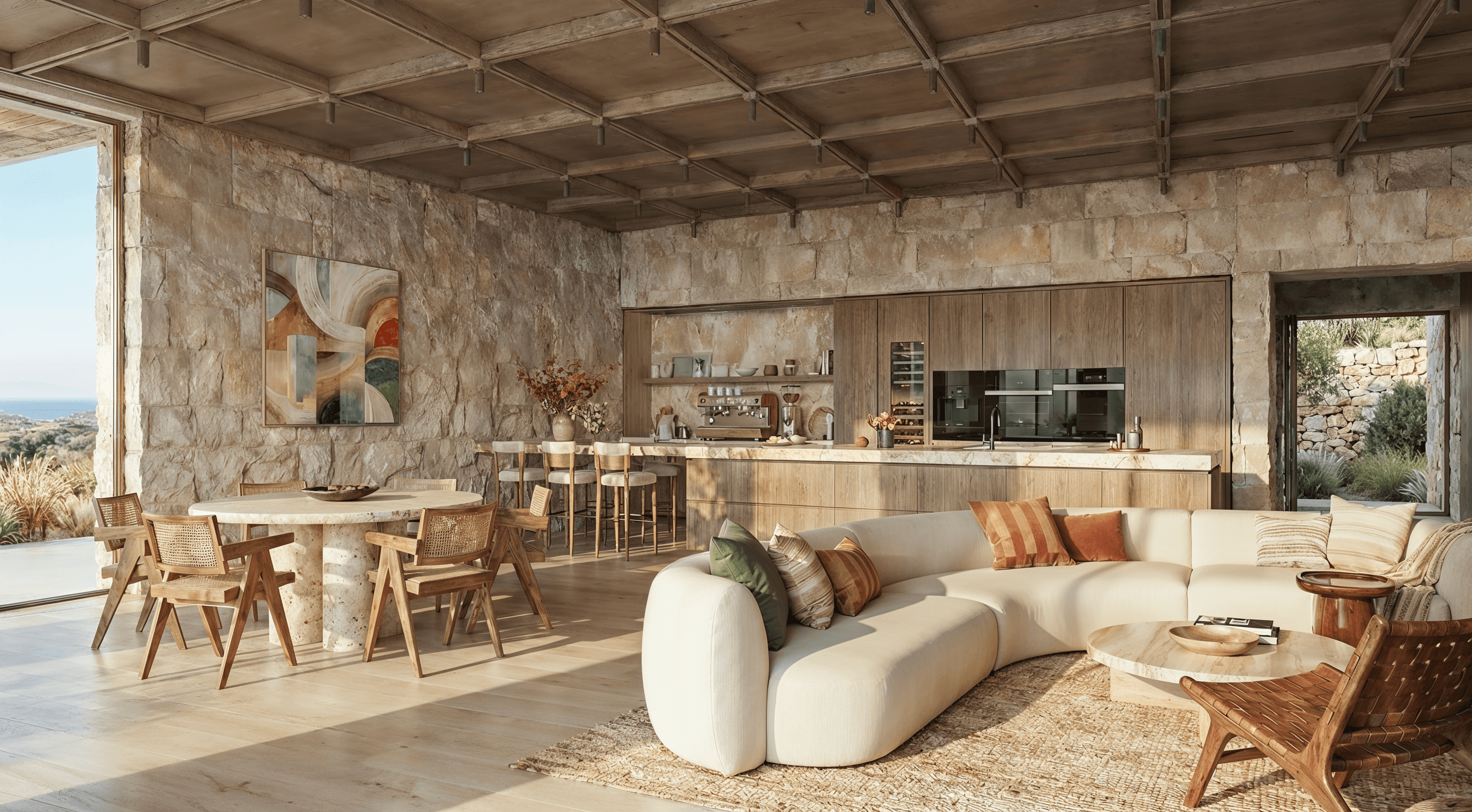
Following the masterplan phase, one section of the development was explored in greater detail through two villa typologies: a twin villa and a single villa. Both typologies share the same architectural language, using stone surfaces, timber elements, generous glazing, shaded terraces, and planted edges to create homes that feel grounded, open, and connected to Bodrum’s landscape.

Category

Architecture & Interior Design

Location

Bodrum

Year

2025

The masterplan is organised as a sequence of villas stepping with the natural fall of the hillside. This approach enables the development to work with the topography while maintaining a light outlook and privacy between each residence.

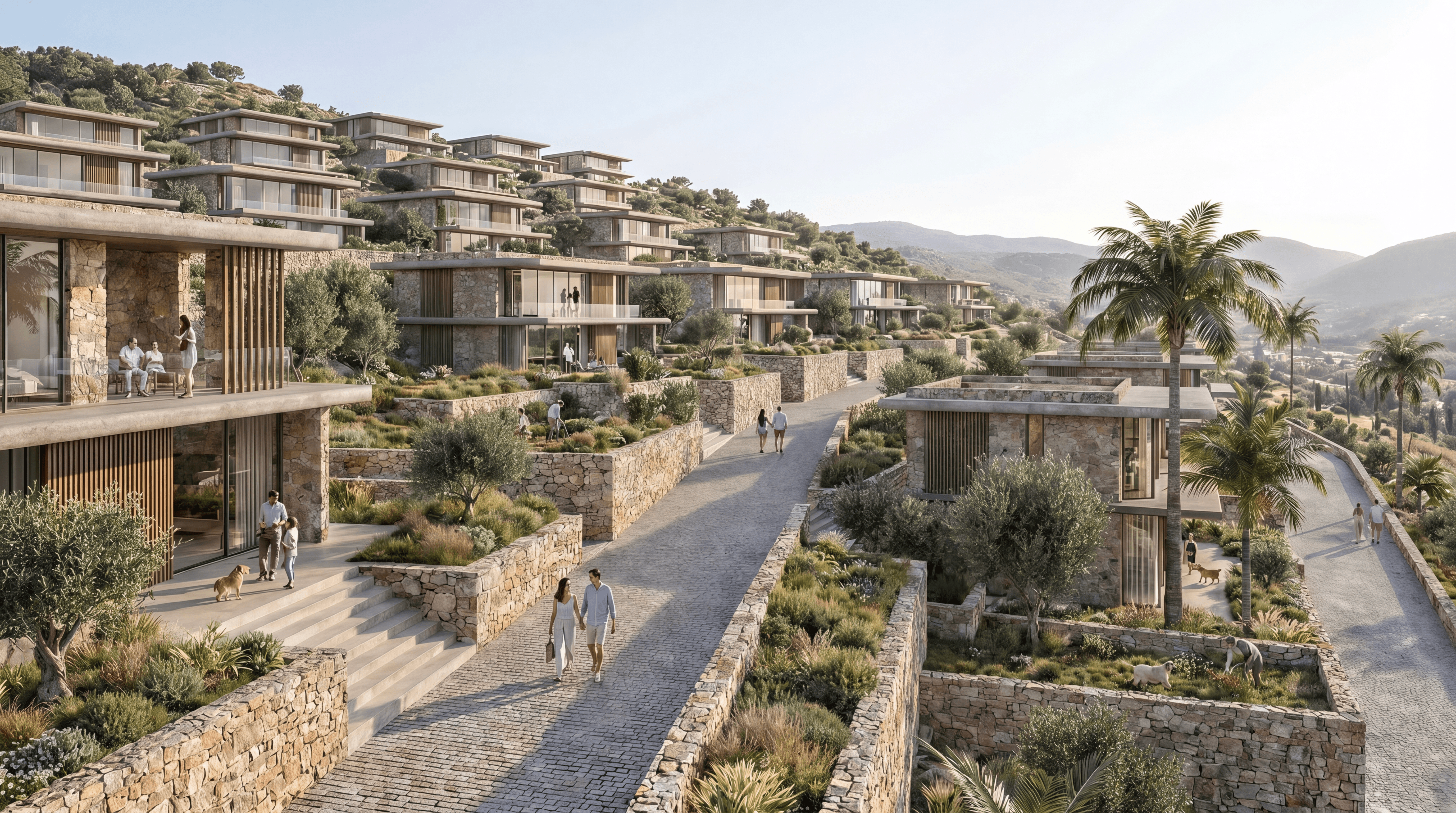
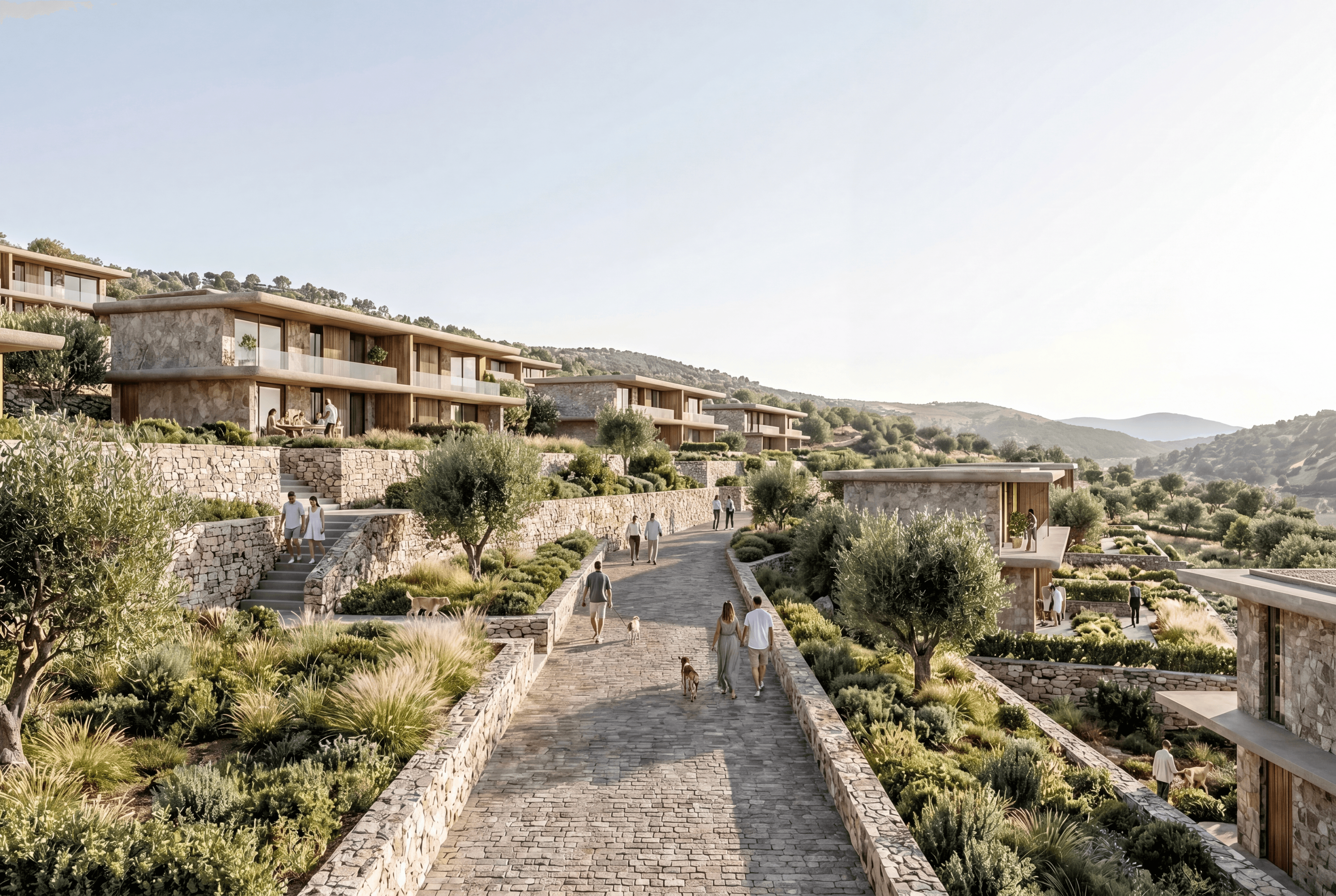
Stone walls, planted gardens, pedestrian paths, and level changes shape the movement through the site. The project is conceived as a gradual residential landscape, where architecture, planting, and terrain are read together rather than as separate elements.

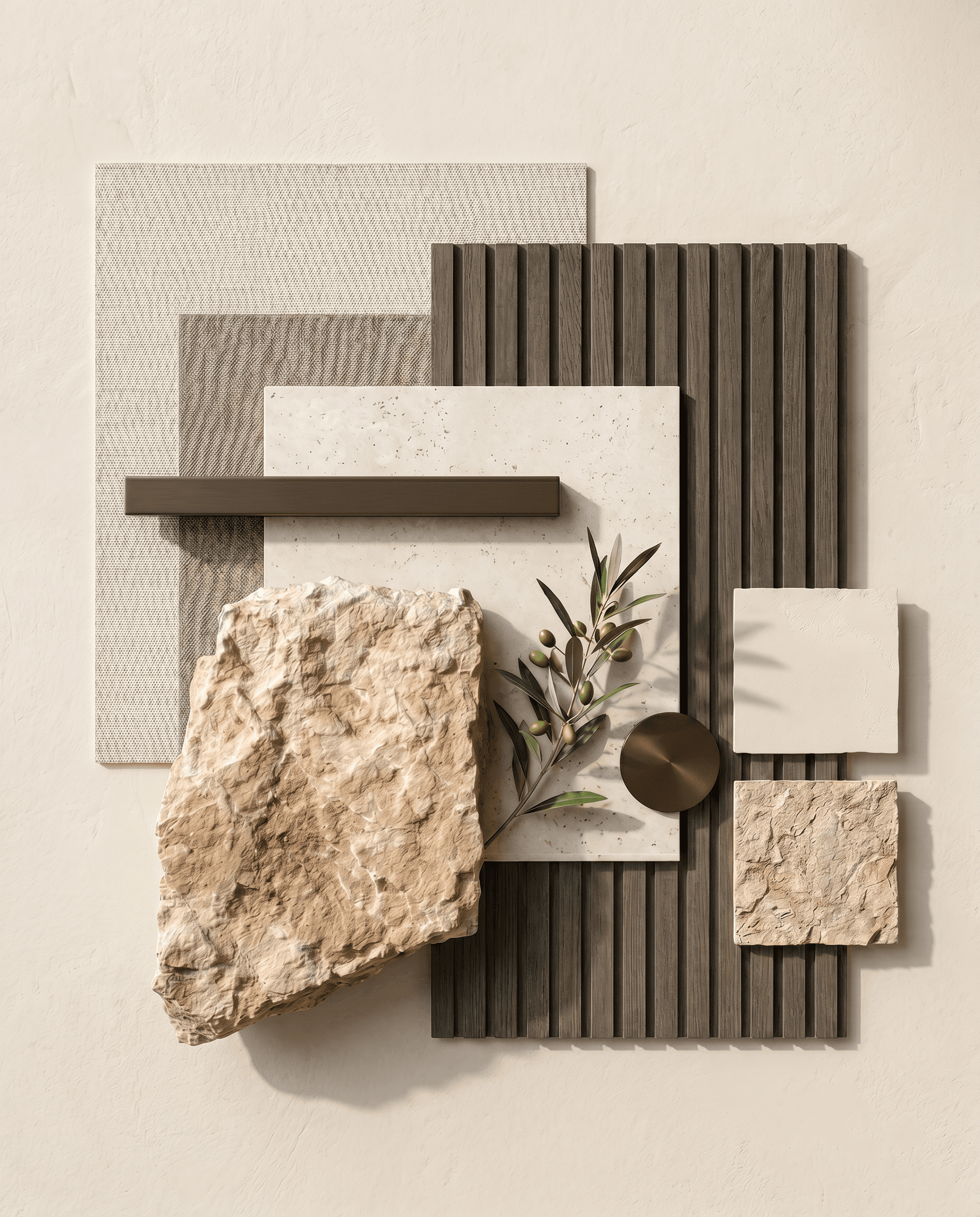
The exterior architecture is shaped through the meeting of stone, glass, timber, and landscape. Stone surfaces give the villas a grounded presence within the hillside, while large glazed openings bring daylight into the interiors and frame the surrounding views.

Timber screens, shaded balconies, and deep roof overhangs introduce rhythm, warmth, and protection from the sun. The architecture remains restrained, allowing the natural character of Bodrum to lead the experience. Planting, shadow, and material contrast soften the edges of each villa, helping the buildings settle into the site.

The masterplan is organised as a sequence of villas stepping with the natural fall of the hillside. This approach enables the development to work with the topography while maintaining a light outlook and privacy between each residence.

Stone walls, planted gardens, pedestrian paths, and level changes shape the movement through the site. The project is conceived as a gradual residential landscape, where architecture, planting, and terrain are read together rather than as separate elements.

The exterior architecture is shaped through the meeting of stone, glass, timber, and landscape. Stone surfaces give the villas a grounded presence within the hillside, while large glazed openings bring daylight into the interiors and frame the surrounding views.

Timber screens, shaded balconies, and deep roof overhangs introduce rhythm, warmth, and protection from the sun. The architecture remains restrained, allowing the natural character of Bodrum to lead the experience. Planting, shadow, and material contrast soften the edges of each villa, helping the buildings settle into the site.

The twin villa is designed as a shared architectural form containing two private residential experiences. Its composition is balanced and horizontal, with each home opening toward terraces, gardens, and framed views.

Stone walls anchor the building into the landscape, while vertical timber screens provide privacy and filter light across the facade. The twin typology is compact but generous, using clear planning and outdoor extensions to create a close relationship between interior living and the surrounding garden.

The single villa offers a more independent expression of the same design language. Its layout opens generously toward the landscape, while planting, level changes, and architectural screening create privacy where needed.

Stone gives the villa a sense of permanence within the hillside, while glass and timber bring lightness, warmth, and transparency. The villa is designed around the balance between openness and shelter, with living spaces extending toward terraces, gardens, and the changing light of the site.

The twin villa is designed as a shared architectural form containing two private residential experiences. Its composition is balanced and horizontal, with each home opening toward terraces, gardens, and framed views.

Stone walls anchor the building into the landscape, while vertical timber screens provide privacy and filter light across the facade. The twin typology is compact but generous, using clear planning and outdoor extensions to create a close relationship between interior living and the surrounding garden.

The single villa offers a more independent expression of the same design language. Its layout opens generously toward the landscape, while planting, level changes, and architectural screening create privacy where needed.

Stone gives the villa a sense of permanence within the hillside, while glass and timber bring lightness, warmth, and transparency. The villa is designed around the balance between openness and shelter, with living spaces extending toward terraces, gardens, and the changing light of the site.

More projects

Interior Design

MB1 HOUSE

Interior Design

GALA ICECREAM

Interior Design

MB1 HOUSE

Interior Design

GALA ICECREAM

Interior Design

MB1 HOUSE

Interior Design

GALA ICECREAM

Contact

Start the conversation

info@hostudio.co

© HOS 2026

Contact

Start the conversation

info@hostudio.co

© HOS 2026

Contact

Start the conversation

info@hostudio.co

© HOS 2026